CONTACT | Other

Insights into the Challenges Experienced by Chinese ESL Learners
Imagine you were an international student, studying at an educational institution in China, with very limited spoken Chinese. How might you feel, trying frantically to understand a completely foreign language; if you were voiceless, unable to communicate something you were desperate to say; if you were also all alone, far away from home?
In the age of…
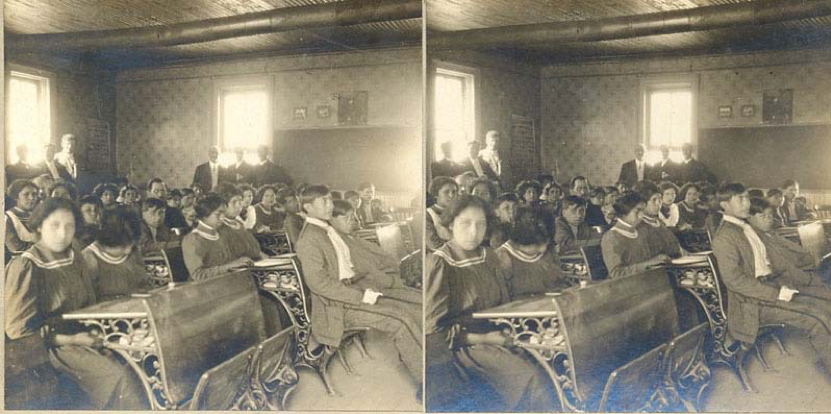
Teaching English as a second language in Ontario: The early aboriginal experience in 19th century residential schools
Today when we think of teaching English as a Second Language in Ontario, we think in terms of teaching immigrants new to the province. But there is a long history of teaching English as a Second Language to people who are old to the province: 11,000-years-plus old.
The schools that first taught English as a Second Language…
Framing LGBT issues and learning outcomes: A Canadian perspective
Whether it is ESL, EAP, LINC, or any other form of TESL, our job is a big one. We are language teachers, and with that comes culture. There is no way to separate the two. Our students need social and cultural survival skills in order to be successful. These sociocultural competencies vary as far and wide as…
Suma Balagopal: The spark that keeps on shining
(If you would like to publish a profile of or interview with a teacher, please contact the editor.)
A lot of the good things that have happened in Suma Balagopal’s life happened by chance. Becoming an ESL teacher was no exception. The marketing professional was working in the…
Cognitive load theory and teaching English as a second language to adult learners
Most second language teaching recommendations place a considerable emphasis on “naturalistic” procedures such as immersion within a second language environment. Immersion means exposing learners to the second language in many of their daily activities, including other educational activities ostensibly unrelated to learning the second language. While immersion may assist in learning a second…
The leaves of the Canadian polycultural tree
It is a fact that the maple leaf is the ubiquitous symbol of Canada. At no time are you able to avoid its omnipresent inspirational influence being in Canada. Due to this fact, our class decided to choose creating a symbolic maple tree with our pictures on it, to celebrate ESL week. This project is to show that now…
